Industry-Leading Education
The American Biogas Council’s Training Program began with a simple mission: providing the foundational training needed to keep biogas operations safe and efficient. Today, our expanded curriculum serves the entire project lifecycle.
Who It’s For
We strive to offer valuable insights for all sector professionals seeking a deeper operational understanding, as well as newcomers curious about the broader biogas market.
Our Impact
We aim to be a centralized knowledge hub designed to build collective skills for the betterment of your personal development, your organization, and the industry at large.
Our Instructors
Our program is built on the passion and frontline expertise of seasoned industry thought leaders.
Upcoming Courses
Advanced Laboratory Testing for Anaerobic Digestion and Biogas Operations (Virtual Event)
September 2026
Location: Virtual — ABC Continuing Education
RegisterThis course is designed for biogas plant operators, managers, developers, consultants, engineers, technical service providers, and project stakeholders who have a basic understanding of anaerobic digestion and want to use laboratory testing more effectively to evaluate performance and troubleshoot problems.
This advanced virtual course will provide biogas and anaerobic digestion professionals with a practical understanding of laboratory testing methods for evaluating digester performance, feedstock quality, process stability, inhibition risk, and operational troubleshooting. The course will build on foundational operator training by moving beyond basic sampling and routine monitoring into more detailed interpretation of laboratory results and their application to real-world operating decisions. Participants will learn how advanced testing can support proactive process control, identify early warning signs of instability, improve communication with laboratories and technical advisors, and strengthen overall plant performance.
By the end of this course, participants should be able to describe how advanced laboratory testing supports anaerobic digestion process control, troubleshooting, and long-term system optimization. Participants will learn how to connect test results to practical operating decisions, including feedstock acceptance, digester loading, process stability, nutrient balance, and inhibition management.
- Identify the key laboratory tests commonly used to evaluate anaerobic digestion performance, feedstock characteristics, and digestate quality.
- Explain when advanced testing is appropriate beyond routine monitoring parameters such as pH, alkalinity, volatile fatty acids, total solids, volatile solids, ammonia, and gas production.
- Interpret laboratory results in the context of digester health, process stability, organic loading, inhibition risk, and operational performance.
- Recognize early warning signs of process imbalance and understand how laboratory data can support timely corrective action.
- Evaluate how feedstock testing can inform acceptance decisions, blending strategies, loading rates, contamination concerns, and expected biogas production potential.
- Understand the value and limitations of specialized tests such as biochemical methane potential testing, trace nutrient analysis, sulfur-related testing, ammonia and nitrogen speciation, and inhibition screening.
- Improve communication with third-party laboratories, engineers, consultants, and internal operations teams by asking better questions and requesting more useful data.
- Apply laboratory data to support operational troubleshooting, performance optimization, compliance discussions, and management-level decision-making.
If you have any questions about this training, email hanna@americanbiogascouncil.org.
What We Offer
Modules
This is the foundation for everything operators and anyone in the biogas industry needs to know. As such, almost every course will include and start with this module. We’ll cover the 4 steps of AD including the actual chemistry and biology so you know what to test for; vocabulary and concepts like BOD and VFA/Alk ratios; how to monitor AD performance; and how the primary characteristics of different digesters require a different approach to their operations.
This module is focused on “viewing” all substrate as how it is actually Potential Energy for the digester. The view is from the context of the bugs that actually perform the work. When a $45B industry is based on a group of bacteria and organisms, the "bugs", it is good to think like a bug. Highlights of this session are focused on estimating biogas production and understanding decay of substrates.
This module consistently ranks as the most valuable by our past students. For those of you who haven’t had math in a while, we are providing several video learning opportunities in the weeks leading up to the in-person session. For the in-person we’ll start slowly talking about how to keep track of units when doing your calculations, imperial/metric conversions, how to monitor overloads, converting biogas into energy values, and business considerations like determining the value of heat and electricity compared to renewable natural gas. Finally, we’ll walk you through how to determine whether you should accept a truckload of material that shows up at your door. Will the material make money or will it cost you more to deal with the water because there’s so little biogas potential in its contents?
This is a highly rewarding session and will add considerable depth to the operator's tool box if the opportunity is taken. A must for passing the certification test.
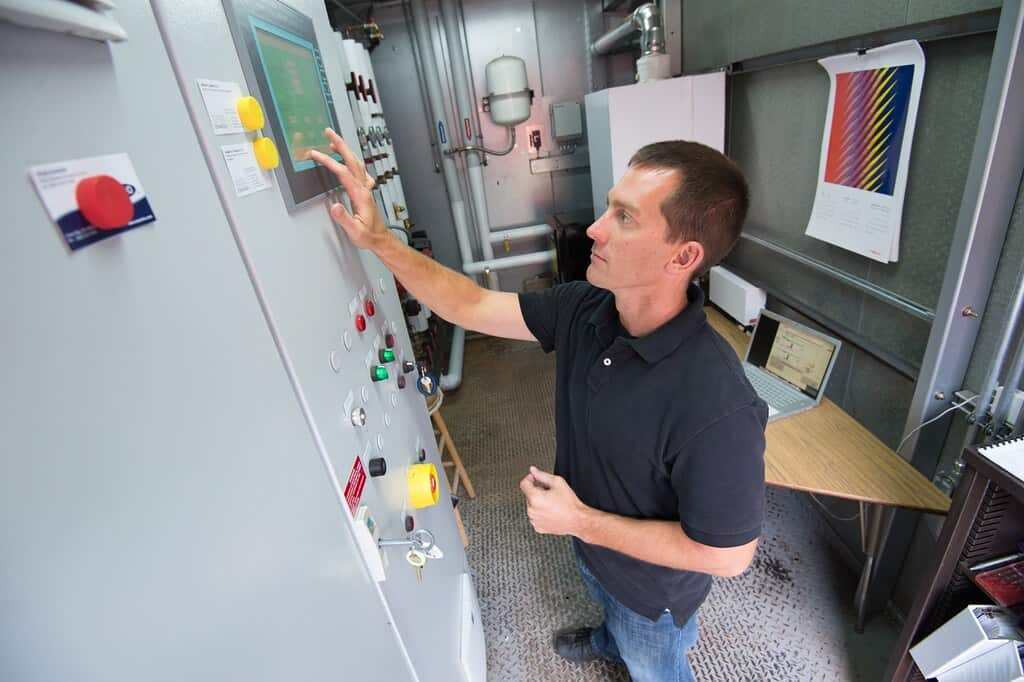
Although emphasis is often and rightly placed on the biological aspects of digester operation, it is important to remember that an AD system is primarily a MECHANICAL SYSTEM. Understanding how to make sure the mechanical systems are operating optimally is critical. We’ll cover receiving material, conveyance, storage and pre-treatment; then mixing, heating and gas handling; finally, we’ll take you through digestate separation, and handling the separated liquids and solids.
Some of our expert operators think we should spend a day and half on hydraulics because as operators, you’re handling hydraulic issues every day. But we’ve condensed the essentials of pumps, mixers, monitoring systems and more into a fraction of that time to raise your knowledge quickly and effectively.
You’ll learn directly from the experts who have experience running a lab to understand how to use lab work to help digester performance and to trouble shoot issues. Plus, we’ll help you learn how to apply the results from the lab tests your order and what it all actually means.
Odor management and prevention starts and ends with good digester operations. We’ll show you which operations in particular most relate to odor issues so you know what to focus on first. This module is often interlaced with story time—anecdotes of what went wrong at some digesters and how those issues could have been prevented or management more effectively. If you’d like to dive into this issue more, the ABC has a day long course called “Odor Management at Anaerobic Digestion Facilities” which is available on-demand, anytime online (https://americanbiogascouncil.org/odor-management-at-anaerobic-digestion-facilities/)
The safety module usually lasts a full day. We’ve offered to past students to try to reduce the time we spend on this important topic, but universally, we’re told, all this time is needed. We’ll cover H2S dangers, lockout/tagout, operating in confined spaces, rescue procedures, hot work, flammable and explosive properties, hazard communications, process safety and security, MSDSes and more.
This session is considered the most popular year in and year out. No matter if your site is producing renewable natural gas or electricity, the raw biogas must be pre-treated and either consumed or pass on for off-site use. This module covers high level H2S removal, biogas upgrading to RNG/pipeline quality, engines, and managing both gas and electrical interconnections with the local utility.
In this module, we want to position you to maximize the revenue you can generate from digestate. We’ll cover the mechanics of different liquid/solid separation systems, nutrient recovery technologies and how to get your digestate certified so your customers know they can trust the safety and agronomic value of the digestate they’re receiving.
For anyone handling waste, vectors are a common issue. We’ll cover advice for birds, flies, rodents, varmints, and the control and housekeeping necessary for their prevention.
This module covers what most digester operators need to disclose regularly to stay in compliance. We’ll also cover the reporting needed to participate in lucrative programs like the federal Renewable Fuel Standard and California’s Low Carbon Fuel Standard.
Includes information on foundational principles of maintenance strategy, specifically tailored for biogas plants. We'll explore how to establish effective maintenance systems, leverage Computerized Maintenance Management Systems (CMMS) for optimized operations, understand the nuances of Operational Expenditure (OpEx) within a biogas context, and introduce key maintenance strategies like preventive, predictive, and reliability-centered maintenance to ensure long-term asset health and performance.
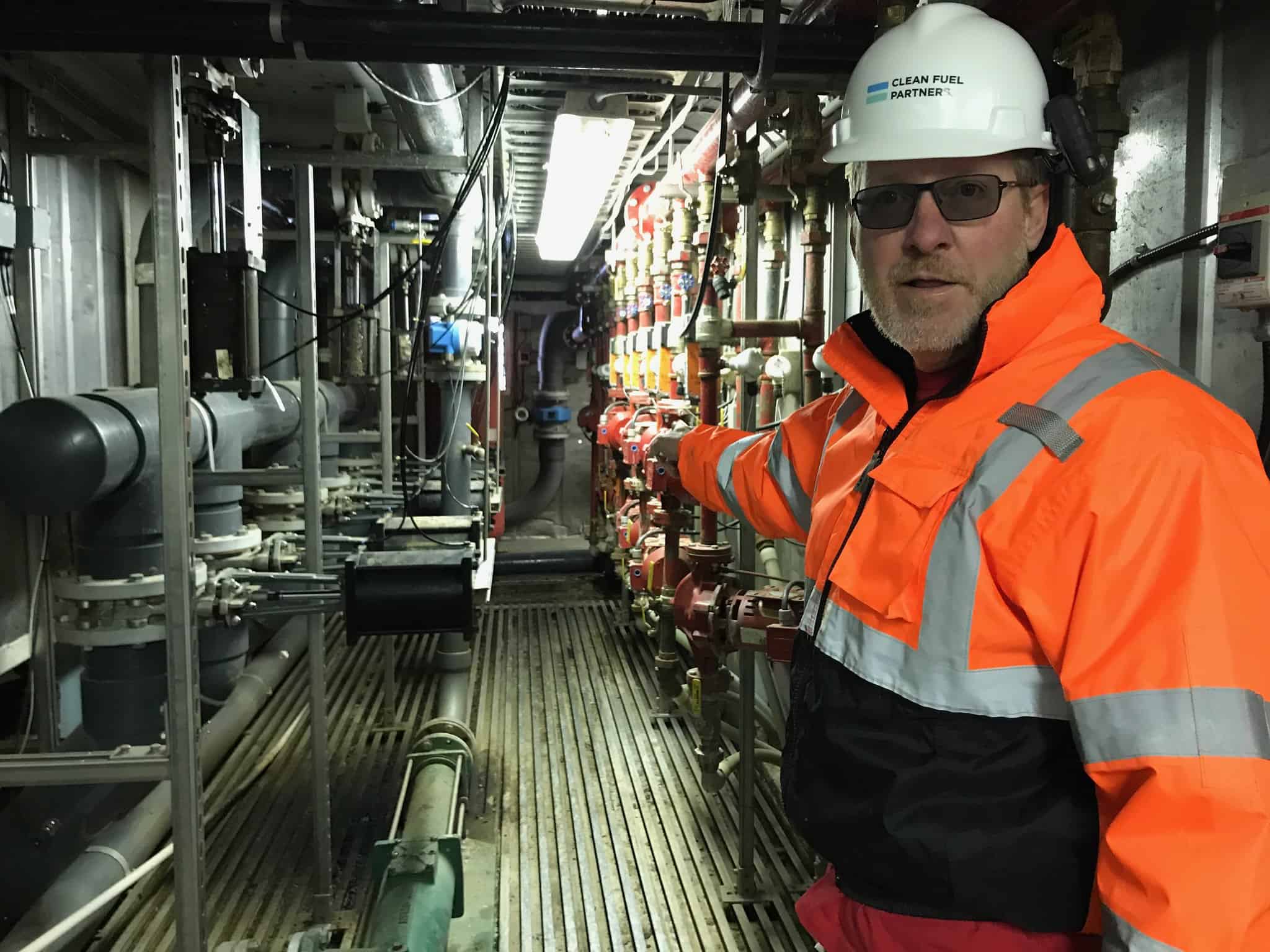
This module is both an application of the content that you’ve learned in the previous modules and preparation for the tour this afternoon. It’s often loud on site, so we’ll cover some of the technical details when it’s easier to hear to enhance the value of your experience on site.
A new session but certainly timely and important for all operators, no matter if your site is upgrading or not. Lessons learned and a good understanding of the safety issues specific to biogas upgrading are presented. For landfill and digestion system operators.
Operator Certification
The American Biogas Council’s (ABC’s) Digester Operator Certification elevates the knowledge of anaerobic digester operators to optimize digester performance and avoid costly operational mistakes. To complete Operator Certification, operators must complete four parts:
To complete the training for ABC Operator Certification, operators must complete ABC Operator School. The full course includes 9 modules critical to successful digester operation: fundamentals of anaerobic digestion, 4 steps of digestion, vocabulary, AD tests and reactor types, applying the fundamentals to operations, understanding and predicting upsets, math for digesters, mechanical systems, performing daily site checks, preventative maintenance plans, hydraulics (pumps, mixers, etc.), lab testing-what does it all mean?, odor management/prevention, safety, gas utilization, H2S removal, RNG production, and engines. To register for the next course and find out more, click here.
To be eligible for ABC Operator Certification, operators must show proof of 2,000 hours (about 1-year) of experience in an operations role for one or more anaerobic digesters. To prove your hours, you will need to provide two documents:
- The first document must be a letter from a supervisor indicating that you have completed 2,000 or more hours at a digester facility. This document must contain contact information of your supervisor.
- The second document can be one of these two types:
a. A timesheet or record of hours
b. A second letter from a different supervisor or digester employee. This letter would also need to include contact information for the second supervisor or digester employee. To check if other documentation is allowable, please email info@americanbiogascouncil.org.
To be eligible for ABC Operator Certification, operators must have taken the OSHA Lockout/Tagout and Confined Space Entry courses and the Red Cross First Aid training. These courses are included in your registration if you have taken Operator School after February 2025. If you attended Operator School before February 2025, you must have taken ABC’s Safety Module (Module 8).
To check if other documentation is allowable, to get the login for the safety courses, or if you have any additional question, please email hanna@americanbiogascouncil.org.
ABC’s Operators Exam has 2 parts and is administered after the above requirements have been met. The exam tests operators on critical knowledge needed to operate a digester safely and productively. The best study materials for the exam are those distributed during Operator School. The two parts of the exam include:
- Multiple choice (65 questions covering digester operations and safety)
- Math (12 open questions)
Ready to get certified? Apply today:
ABC Operator Certification Application
Tracks to Certification
1. All Virtual
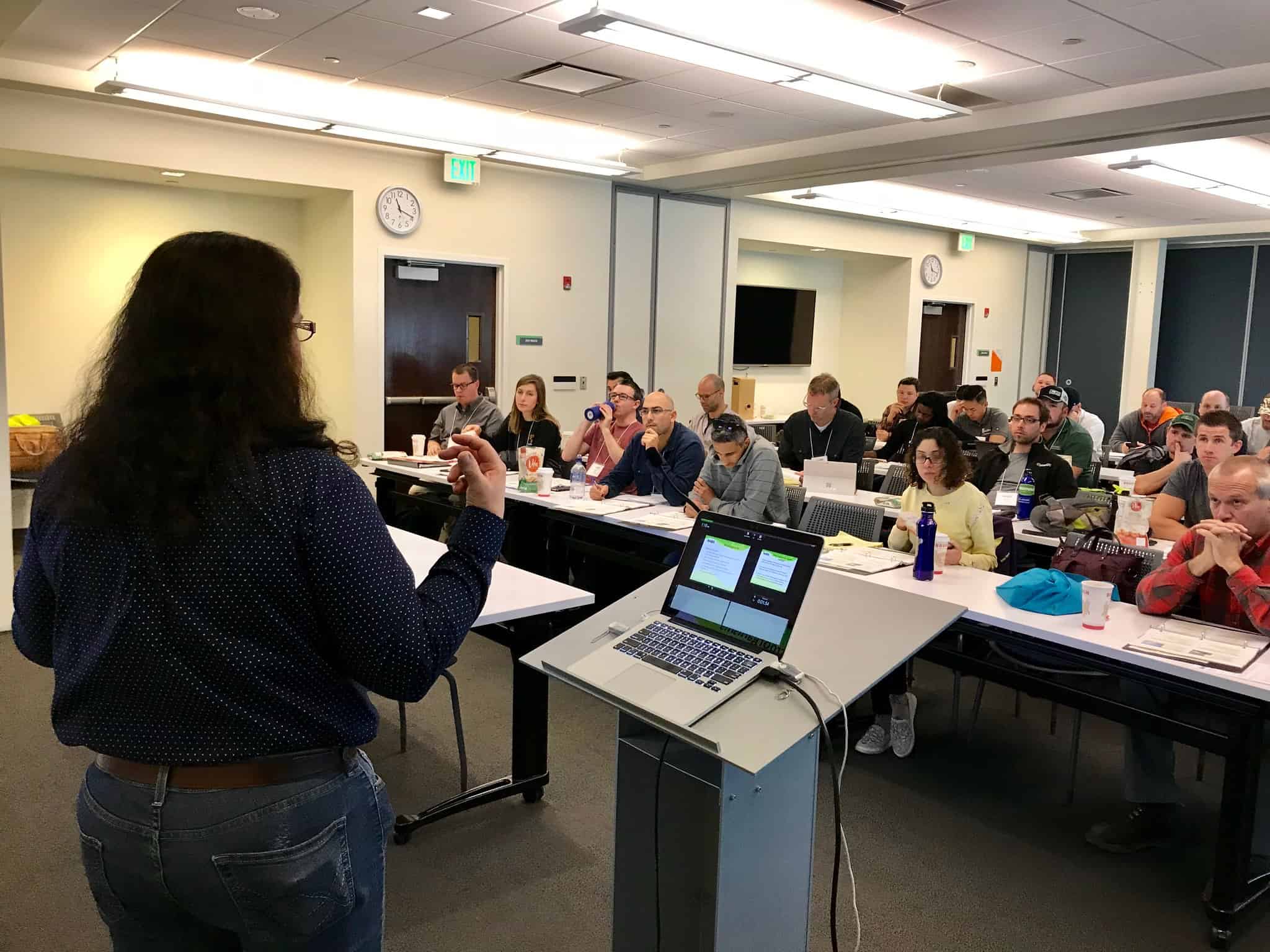
We hold a 100% virtual Operator School every February that includes Modules 1-9 over the course of 7 sessions.
2. In Person at Michigan State University in July
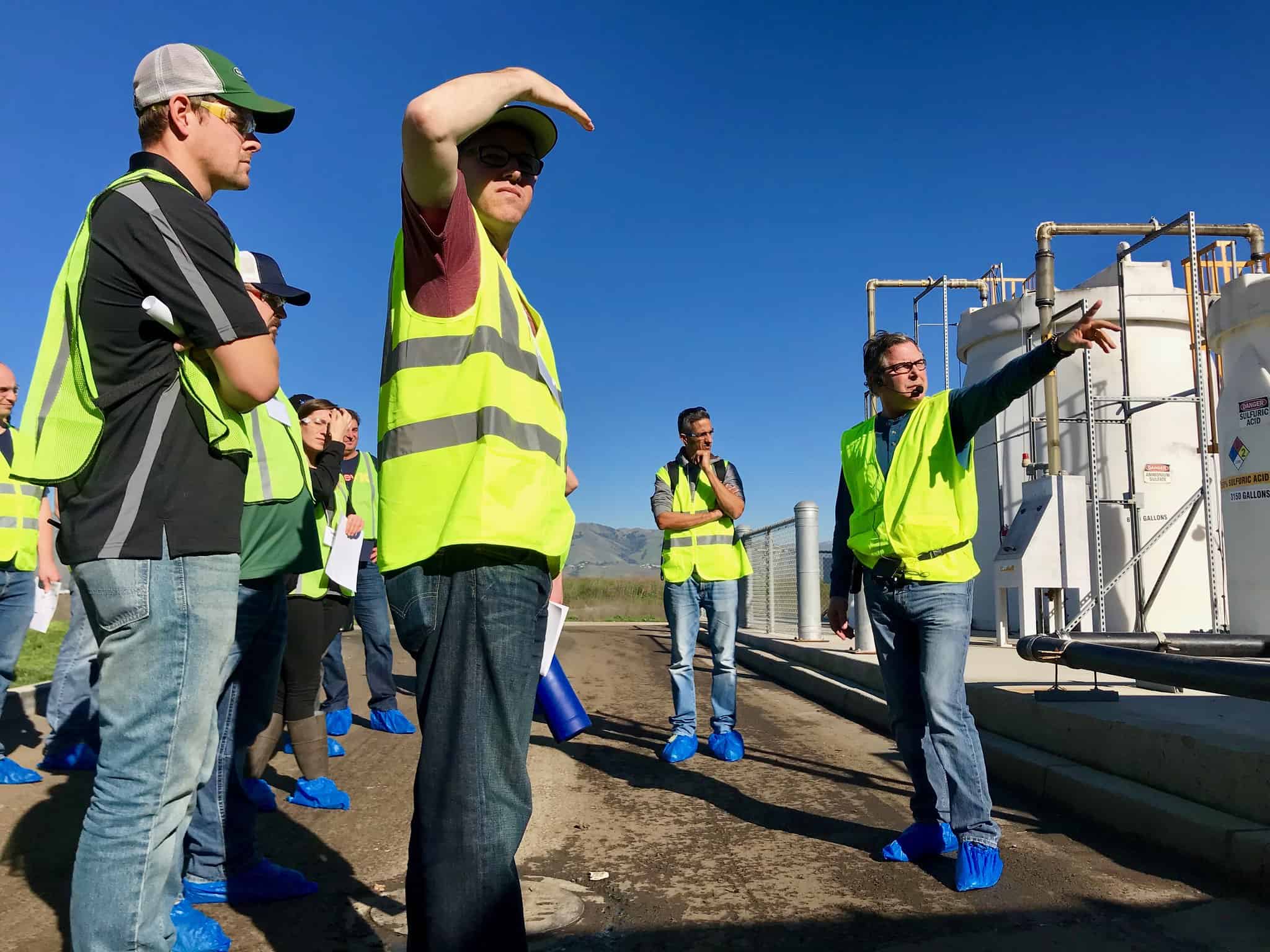
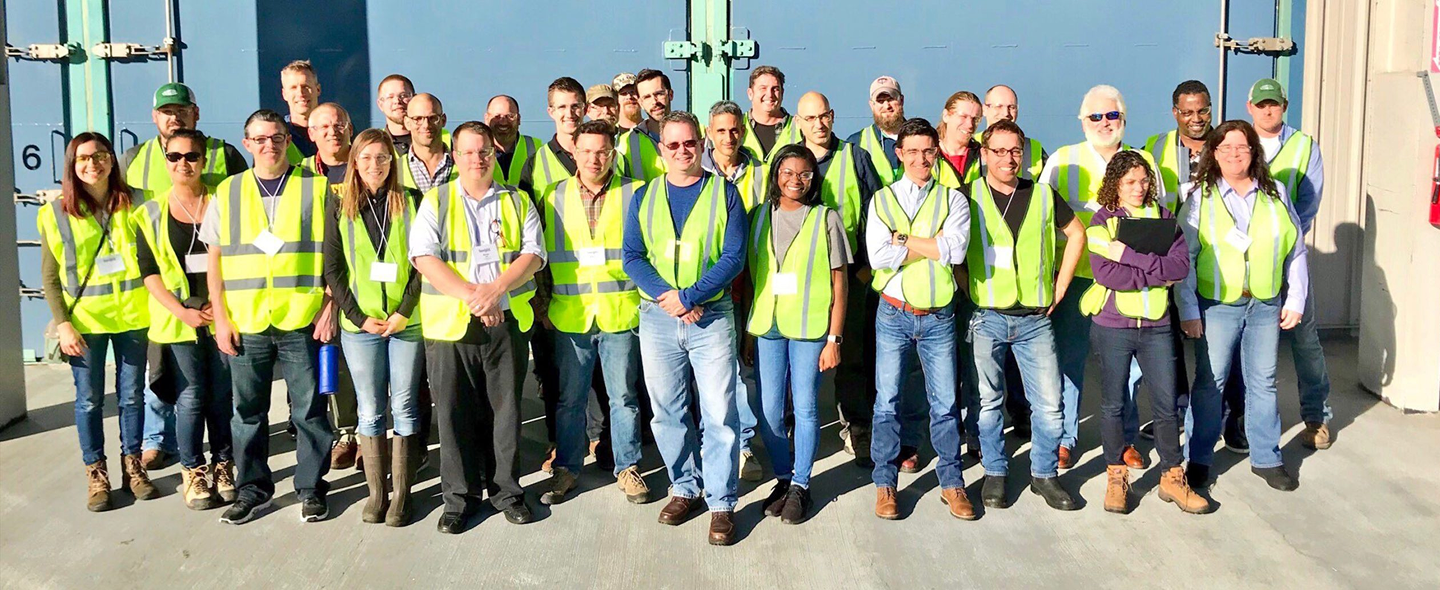
Complete all 9 modules at our in-person training, held annually in July or August at Michigan State University, as well as tour digesters, a state-of-the-art lab, and more.
Continued Education
Providing accessible continuing education is essential to securing a safe, highly skilled, and compliant biogas workforce. ABC aims to deliver relevant topics that address both the ongoing risks and the emerging opportunities within our industry.
We continuously develop new content in partnership with industry experts. If you don’t see what you need on our training calendar, we welcome your suggestions as we plan future events. We frequently develop new courses based on direct feedback from our members and the wider industry.
Below are the specialized courses already existing that we offer on request:
Continued Ed Library
- Digester Treatment and Recovery of Nutrients
- Engine Lubricants and Landfills
- Substrate
- Digestate Treatment
- Substrate as Potential Energy
- H2S Management
Reach out to hanna@americanbiogascouncil.org to initiate a dialogue.
Biogas Crash Course
Go from industry newcomer to market-ready professional in a single 3-hour session. This targeted Crash Course cuts through the noise to deliver a comprehensive blueprint of the technical, regulatory, and financial frameworks driving today’s biogas economy.
Play the full video
Market and Finance
We continuously develop new content in partnership with industry experts. If you don’t see what you need on our training calendar, we welcome your suggestions as we plan future events. We frequently develop new courses based on direct feedback from our members and the wider industry. Reach out to hanna@americanbiogascouncil.org to initiate a dialogue.
For market and finance we usually offer training on these topics during our main events BIOGAS AMERICAS (Spring) and BUSINESS OF BIOGAS (Fall), so keep an eye on the newsletter for this information.
Below are the specialized courses already existing that we offer on request:
- Master Class in Biogas Development
On Demand
In 2026 we plan to launch our first on demand training module – stay tuned!
Specialty Training Designed for Your Organization
Need something different?
Reach out to hanna@americanbiogascouncil.org to start a discussion on how we can meet your organization’s specific needs.
Thank you to our recent sponsors
The American Biogas Council’s (ABC’s) Digester Operator Certification elevates the knowledge of anaerobic digester operators to optimize digester performance and avoid costly operational mistakes. To complete Operator Certification, operators must complete four parts:



Interested in supporting workforce development? To become a sponsor and champion our industry’s key stakeholders, please reach out to hanna@americanbiogascouncil.org.
Instructors
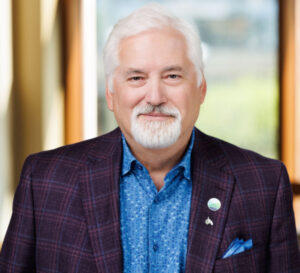
Bernard Sheff
U.S. Renewable Energy Development Capital & ABC Board Chairman
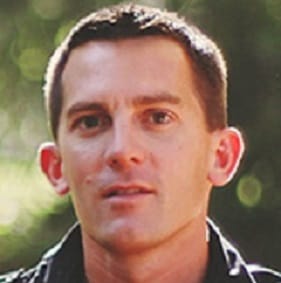
Brian Langolf
University of Wisconsin – Madison & ABC Director
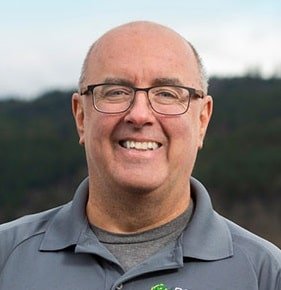
Craig Frear
Regenis & ABC Director

Jessica LeRoy
Tetra Tech

Chris Noah
Regenis

Ben Sheff
Burns & McDonnell